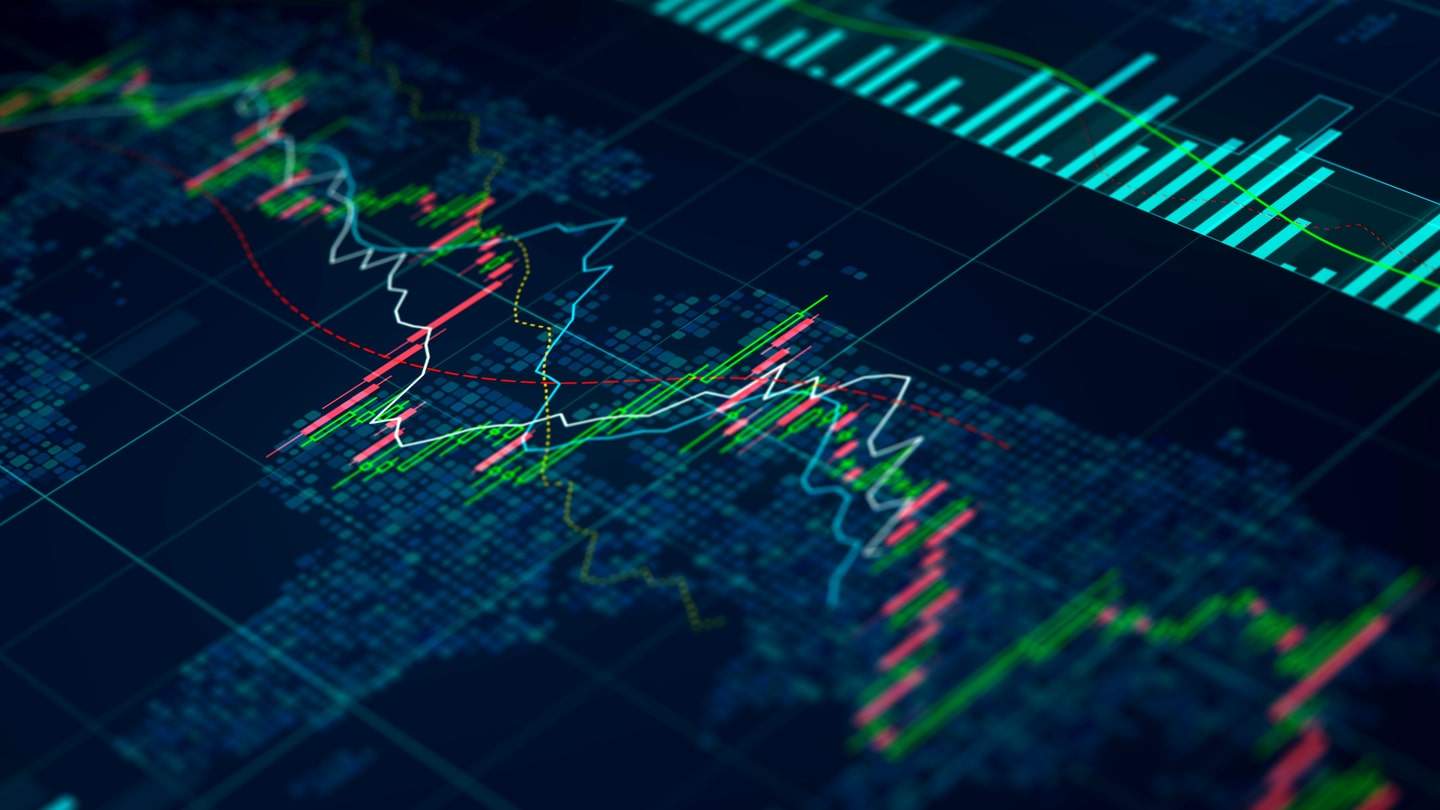
Trying to understand the global wealth and total global assets, against the investable world, I came across this report by McKinsey which details the global balance sheet, and this report by Goldman. Following are some notes from that exploration, on the internet as well as several deep dives with Claude. Numbers are sourced from various
A brief post to note some stark pointers about the Equity Capital Markets, particularly S&P 500. (All numbers are for directional reference only, compiled from various sources). SIZE | S&P 500 companies (Total Market Cap ~ $67 trillion) constitute 54% of the global equity markets. See the following chart (from here). In 2006, the
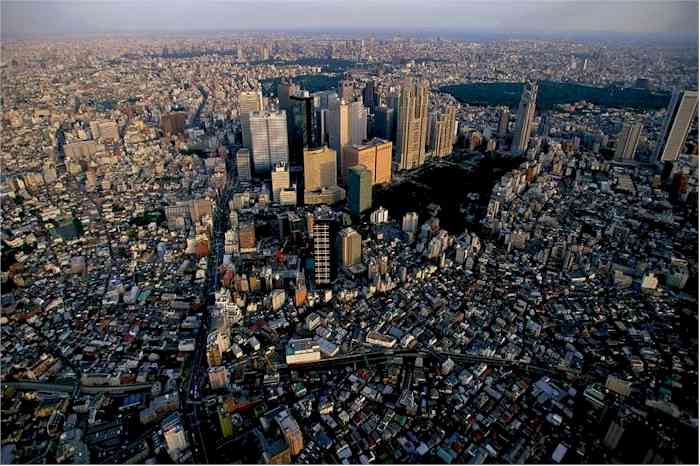
A short post to note a few interesting takeaways and charts from the World Urbanization Prospects 2025 report. It changes the way urbanisation has been measured so far. “Earlier editions were based on data reported by national statistical authorities according to country specific definitions.” The 2025 revision brings it all under one fold of rural,
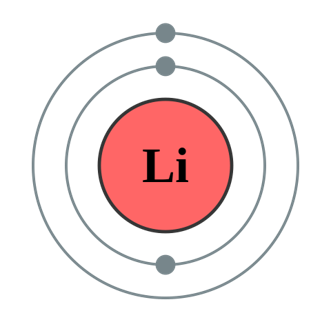
To understand Lithium, its production and dynamics of the market, these notes are drawn and collected from various sources on the internet, linked to the extent possible. ABOUT LITHIUM Lithium is a unique element. It is the lightest metal on periodic table. Its ultra-low density (being half as dense as water) combined with its
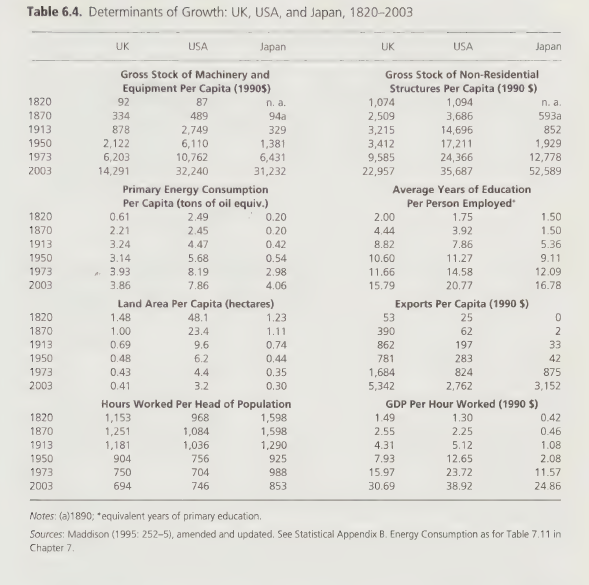
Consider the following fascinating table from Angus Maddison’s book Contours of the World Economy 1- 2030 AD (also available here) . For the whole of the capitalist epoch from 1820 onwards, the table presents growth accounts for two successive lead countries, the UK and the USA, back to 1820 and Japan, the most successful catch-up
This post tries to tie a few threads together which eventually evolve into a tentative set of principles for AI usage in modern times. It begins by briefly talking about Yochai Benkler’s The Wealth of Networks (the introduction chapter), expands into some work with AI around collecting a range of cross-disciplinary principles, and ends by
Good health & wellbeing is perhaps the first freedom and requisite for a human being. As a society shapes up, and as the world itself shapes up and settles in definite boundaries with clearly defined government roles, healthcare becomes more and more a policy question, a scientific enquiry, a cost to government, and the first
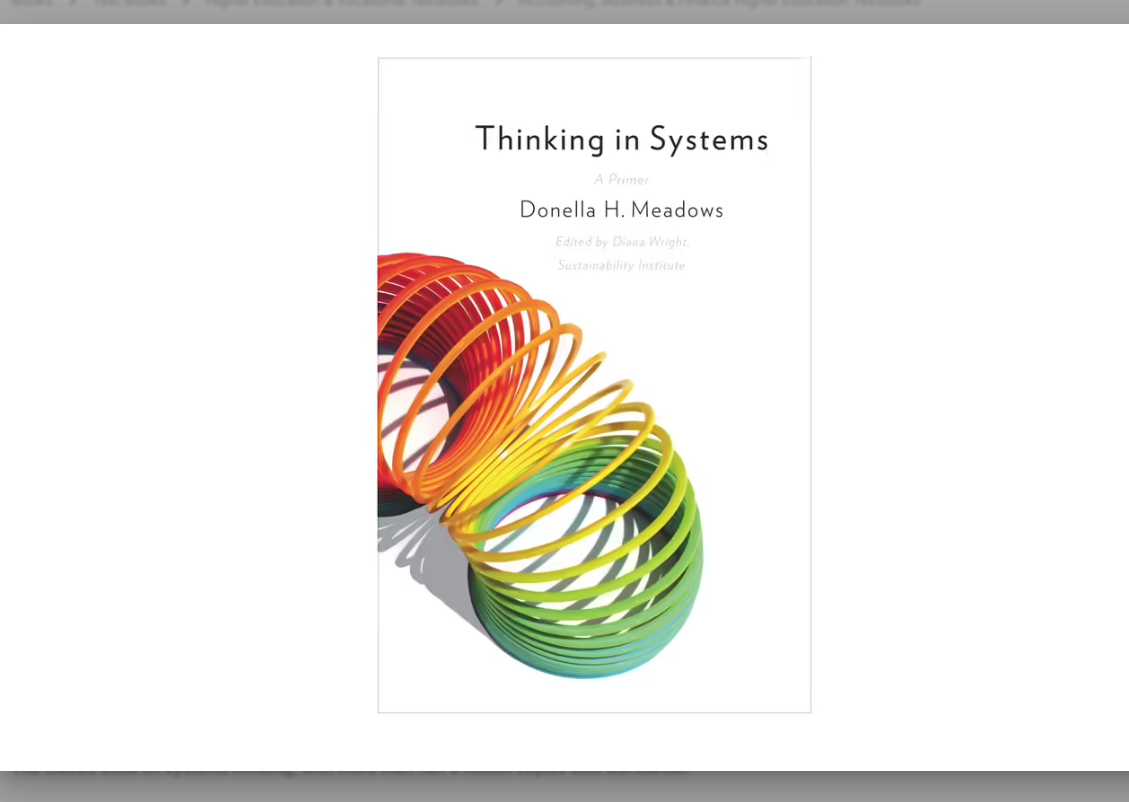
A post to note this popular essay/chapter on ‘Leverage Points: Places to Intervene in a System’ drawn from Donella H. Meadows’ ‘Thinking in Systems – A Primer’. The advent of systems view of things has updated our understanding of the way many things in this world behave. There is no simple chain
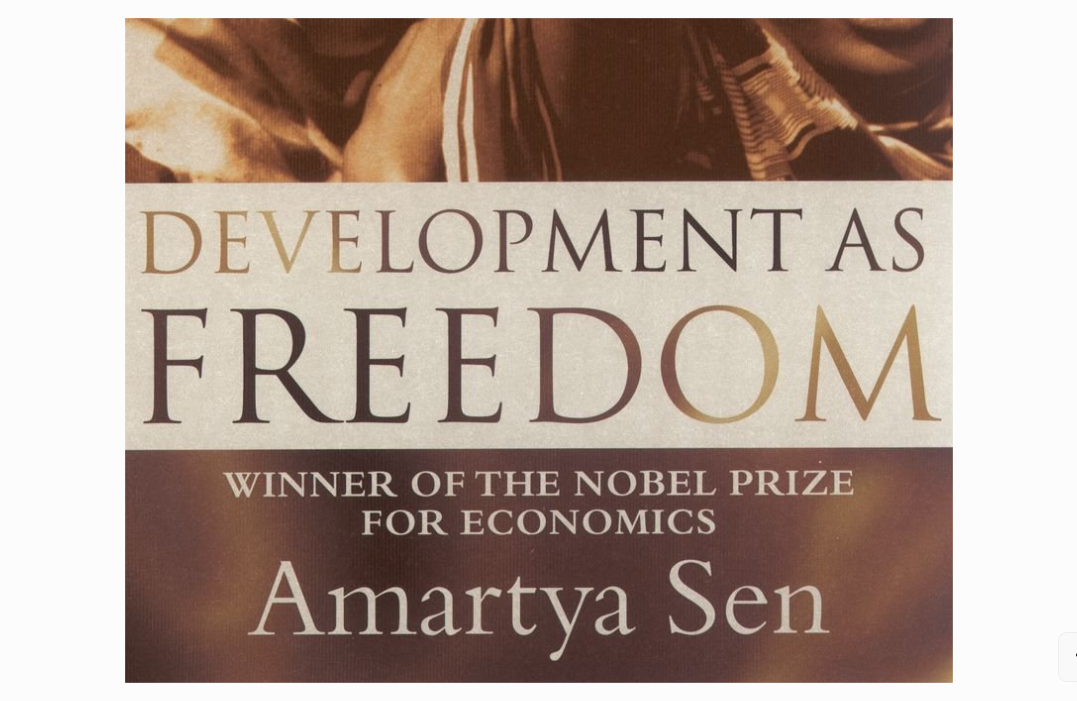
“We live in a world of unprecedented opulence, of a kind that would have been hard even to imagine a century or two ago. There have also been remarkable changes beyond the economic sphere. The twentieth century has established democratic and participatory governance as the preeminent model of political organization. Concepts of human
Key sources: A few charts from here, here, here and here. And some notes from A very short introduction – Demography. To set the context, 1.2 million years ago, there were ~55,000 humans in the world. Homo sapiens left Africa some 60,000 years ago. At the end of the last ice age, some 20,000